
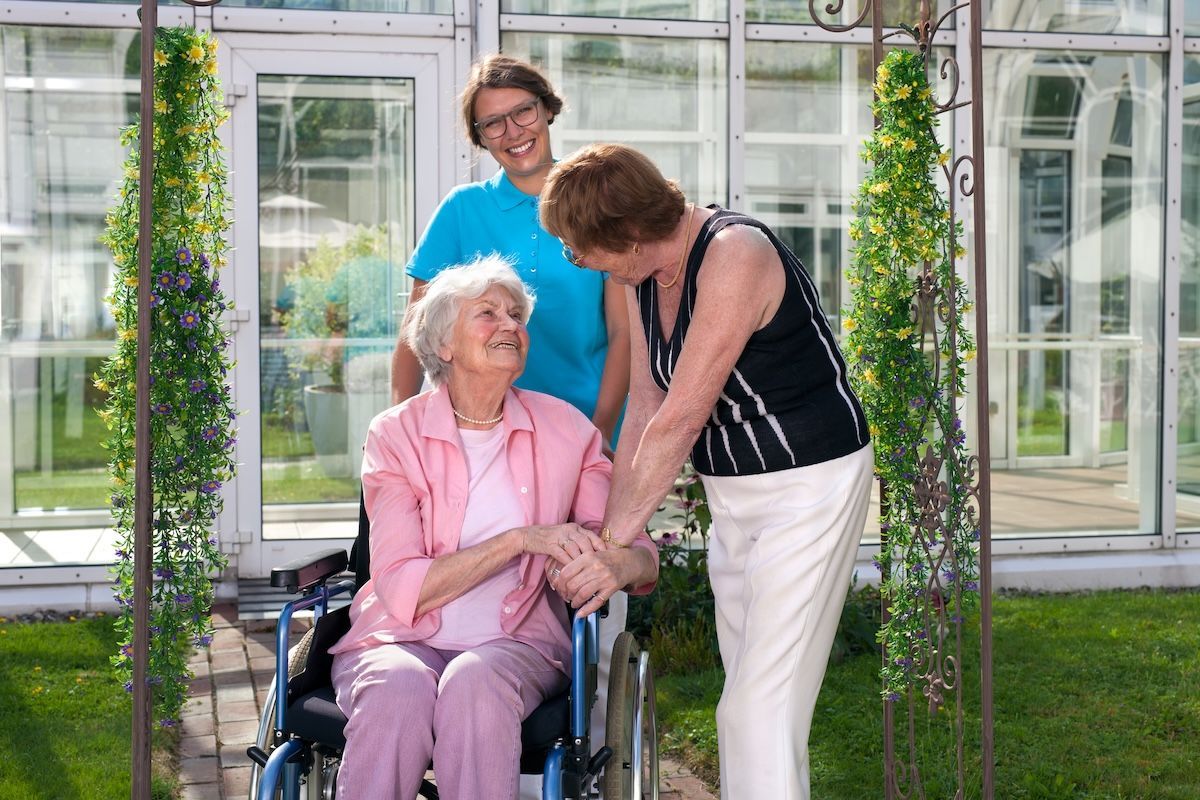
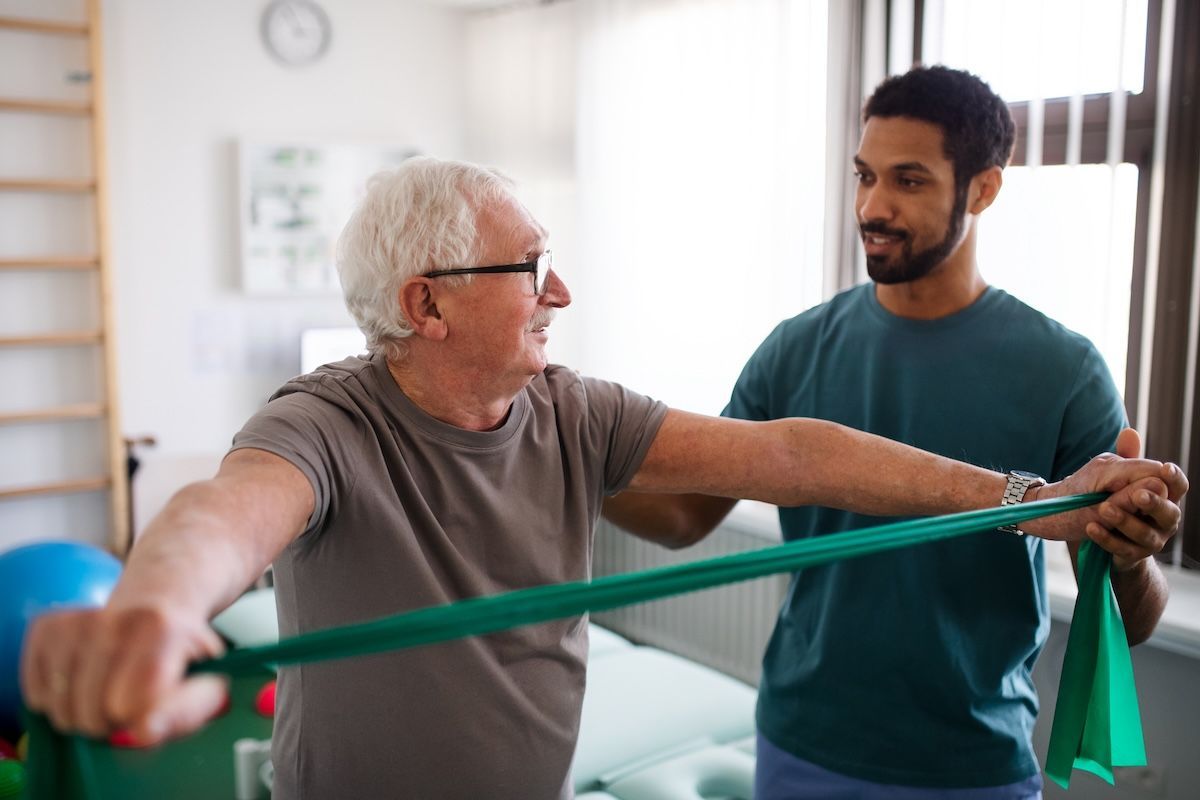
Every October, National Physical Therapy Month shines a spotlight on the professionals who help people move better, feel stronger, and live more independently. In our community, we see the impact of physical therapy every day. For older adults, staying active is about much more than exercise. It's about preserving the freedom to walk to the dining room, visit with friends, enjoy a favorite hobby, and take part in the moments that make life meaningful. This month, we want to share why mobility, balance, and pain management are so essential to healthy aging, and how the right support can make a lasting difference. Why Mobility Matters Mobility is the foundation of independence. The ability to stand up from a chair, walk down a hallway, or step into a car shapes nearly every part of daily life. As we age, muscles naturally lose some strength and joints can become stiffer, especially when activity levels drop. Unfortunately, this can create a cycle: less movement leads to weaker muscles, which makes movement harder, which leads to even less activity. Physical therapy helps break that cycle. Through targeted exercises that build strength, flexibility, and endurance, therapists help residents regain confidence in their bodies. Even small improvements, like standing up more easily or walking a little farther each week, can add up to a big boost in quality of life. Research consistently shows that older adults who stay physically active tend to maintain better heart health, sharper thinking, and a more positive mood. Balance: The Key to Preventing Falls Falls are one of the most serious health risks for older adults. According to the Centers for Disease Control and Prevention, about one in four adults age 65 and older falls each year, and falls are a leading cause of injury in this age group. Beyond the physical harm, a fall can shake a person's confidence, leading them to move less out of fear, which in turn increases the risk of another fall. The good news is that balance can be improved at any age. Physical therapists assess each person's unique risk factors, such as leg strength, posture, gait, vision, and medication effects, and then design a plan to address them. Balance training may include gentle standing exercises, weight shifting, heel-to-toe walking, and practice with everyday movements like turning or reaching. Therapists can also recommend assistive devices, proper footwear, and simple environmental changes that make getting around safer. Managing Chronic Pain Without Losing Momentum Many older adults live with chronic pain from conditions such as arthritis, back problems, neuropathy, or past injuries. Pain often leads people to avoid movement, but in many cases, the right kind of activity is actually one of the best ways to find relief. Physical therapy offers a drug-free approach to pain management that focuses on the root causes of discomfort. Techniques may include therapeutic exercise to support painful joints, stretching to ease stiffness, manual therapy, heat or cold treatments, and education on body mechanics to reduce strain during daily tasks. By strengthening the muscles around a sore knee or improving posture to relieve back pressure, therapy can help residents feel better while staying active and engaged. Simple Ways to Stay Active Every Day Physical therapy sessions are just one piece of the puzzle. Healthy movement habits throughout the day help lock in progress. Some easy ideas include taking short walks after meals, doing seated leg lifts or ankle circles while watching television, standing up and sitting down a few times in a row to build leg strength, and joining group exercise or chair yoga classes. As always, it's best to check with a physician or therapist before starting any new routine, especially for those managing health conditions. Our Commitment to Healthy Aging We believe that every resident deserves the chance to move with confidence and live with as little pain as possible. Our therapy team works closely with residents, families, and physicians to create personalized care plans that support each person's goals, whether that means walking independently again, returning home after a hospital stay, or simply enjoying daily activities with greater ease. From short-term rehabilitation to ongoing support for long-term residents, we're here to help at every stage. Celebrate Movement This October National Physical Therapy Month is a wonderful reminder that it's never too late to invest in strength, balance, and comfort. If you or a loved one could benefit from physical therapy or would like to learn more about the care we provide, we'd love to hear from you. Reach out to our team today to ask questions or schedule a visit.
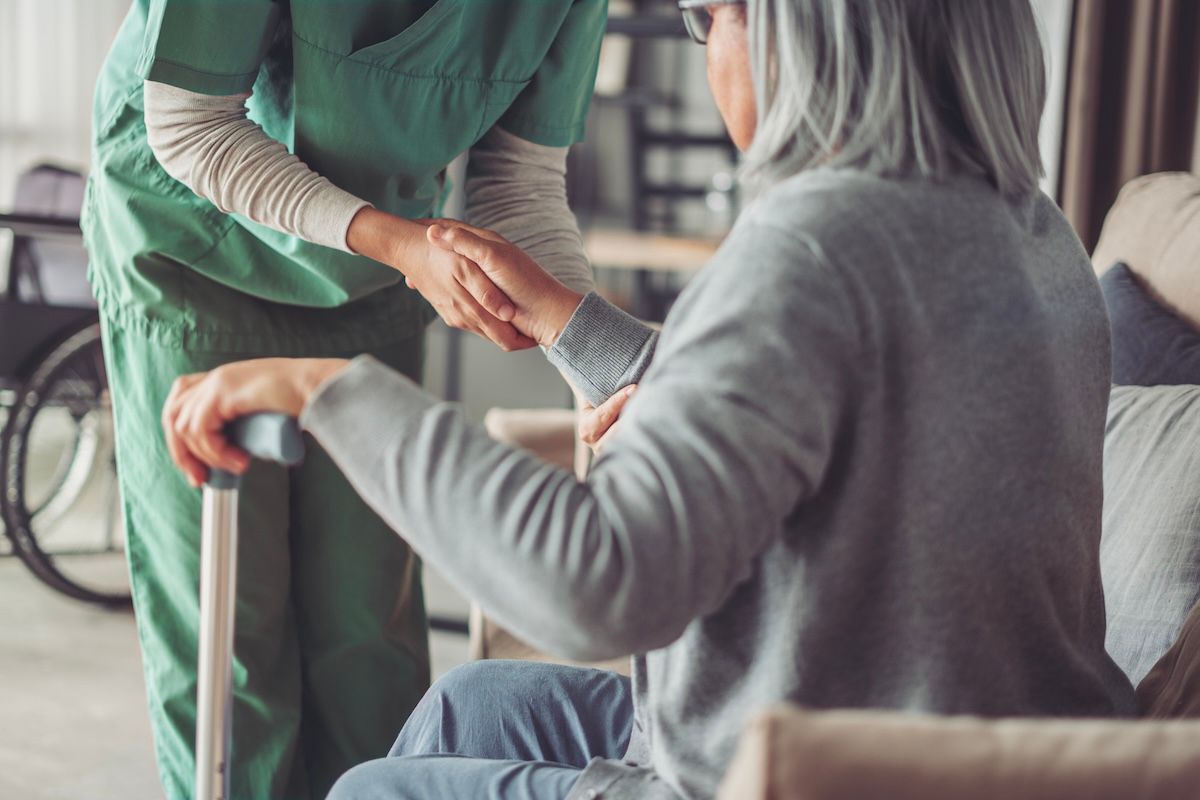
Choosing the right care for an aging loved one can feel overwhelming, especially when you're faced with unfamiliar medical and long-term care terminology. Whether you're planning ahead or responding to a recent hospitalization, understanding the language used by healthcare providers can help you make informed decisions with confidence. At Pine Haven Rehabilitation and Wellness , we believe that families should have the knowledge they need to navigate every step of the senior care journey. Below are some of the most important senior care and skilled nursing terms every family should know. Skilled Nursing Facility (SNF) A Skilled Nursing Facility , often called an SNF, provides around-the-clock medical care under the supervision of licensed nurses and physicians. Unlike assisted living, skilled nursing facilities are designed for individuals who need ongoing medical treatment, rehabilitation, or recovery following surgery, illness, or injury. Residents may receive services such as medication management, wound care, IV therapy, physical rehabilitation, and specialized nursing care. Long-Term Care Long-term care refers to ongoing assistance for seniors who can no longer safely live independently due to chronic illness, disability, or cognitive decline. Long-term care may include help with daily activities such as bathing, dressing, eating, mobility, and medication management. For many families, long-term care provides peace of mind knowing their loved one is receiving professional care in a safe, supportive environment. Short-Term Rehabilitation Many seniors stay at a skilled nursing facility temporarily after a hospitalization. Short-term rehabilitation focuses on helping patients recover and regain independence before returning home. Rehabilitation services often include: Physical therapy Occupational therapy Speech therapy Strength and balance training Pain management The goal is to help residents safely return to their highest possible level of function. Activities of Daily Living (ADLs) Healthcare professionals often evaluate a person's ability to perform Activities of Daily Living , commonly referred to as ADLs. These include: Bathing Dressing Eating Toileting Walking or transferring Personal hygiene Difficulty with multiple ADLs may indicate that additional care or skilled nursing services are needed. Occupational Therapy (OT) Occupational therapy helps seniors regain the ability to perform everyday tasks after illness, surgery, or injury. An occupational therapist focuses on improving independence with activities like dressing, cooking, bathing, and safely moving throughout the home. OT may also recommend adaptive equipment that makes daily living easier and safer. Physical Therapy (PT) Physical therapy is designed to improve strength, flexibility, balance, coordination, and mobility. It plays an important role in helping seniors recover after joint replacement surgery, strokes, fractures, or prolonged hospitalization. Physical therapists also work to reduce fall risk and improve overall confidence when walking. Speech Therapy Speech-language pathologists do much more than help with speech. They also assist residents experiencing swallowing difficulties, memory challenges, communication disorders, and cognitive impairments following strokes or neurological conditions. Speech therapy can significantly improve quality of life and independence. Care Plan Every resident typically has an individualized care plan that outlines medical treatments, rehabilitation goals, medications, dietary needs, therapy schedules, and personal preferences. The care plan is developed by an interdisciplinary team and is updated regularly as the resident's needs change. Family members are encouraged to participate in care planning whenever possible. Respite Care Respite care provides temporary skilled nursing or residential care for seniors while family caregivers take a break, travel, recover from illness, or attend to other responsibilities. Even short-term stays can provide caregivers with valuable peace of mind while ensuring their loved one continues receiving high-quality care. Memory Care Memory care refers to specialized services for individuals living with Alzheimer's disease or other forms of dementia. These programs often include structured daily routines, enhanced safety measures, cognitive activities, and specially trained caregivers who understand the unique challenges associated with memory loss. Fall Prevention Falls are one of the leading causes of injury among older adults. Skilled nursing facilities use individualized fall prevention strategies that may include balance training, mobility assistance, environmental safety modifications, medication reviews, and ongoing monitoring to help reduce risk. Advance Directives Advance directives are legal documents that communicate a person's healthcare wishes if they become unable to make medical decisions. These may include a living will or designation of a healthcare proxy. Having these documents prepared in advance helps families and healthcare providers honor a loved one's preferences. Discharge Planning Discharge planning begins well before a resident leaves a skilled nursing facility. The care team works with patients and families to coordinate follow-up appointments, medications, home equipment, therapy services, and any additional support needed for a successful transition home or to another level of care. Why Understanding These Terms Matters Learning the language of senior care can make conversations with physicians, nurses, therapists, and care coordinators much easier. It also empowers families to ask informed questions, better understand treatment recommendations, and make confident decisions for their loved ones. At Pine Haven Rehabilitation and Wellness , our compassionate team is committed to helping families throughout Eight Mile, Alabama understand every aspect of skilled nursing and senior care. Whether your loved one needs short-term rehabilitation, long-term skilled nursing, or specialized support, we're here to guide you every step of the way. To learn more about our services or to schedule a tour, contact Pine Haven Rehabilitation and Wellness at (251) 452-0996 . About Pine Haven Rehabilitation and Wellness Located in Eight Mile, Alabama, we understand that choosing the right care community is an important and personal decision — and our compassionate team is here to support you every step of the way. Whether you’re seeking short-term rehabilitation, long-term skilled nursing care, outpatient therapy, or specialized clinical programs, we provide personalized support in a warm, welcoming, and family-like environment. We invite you to visit for a tour — come see our community and meet the people who make Pine Haven feel like home.
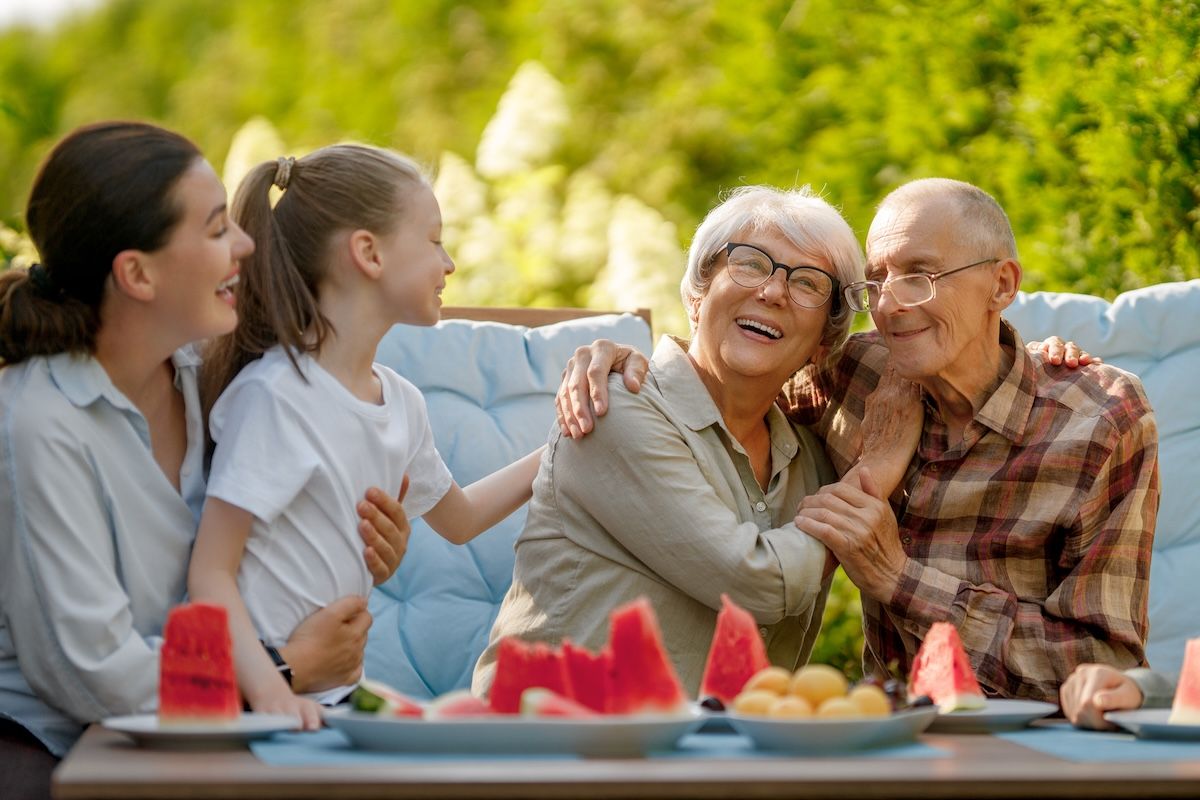
Summer is one of the most enjoyable times of year to spend quality time with the people you love. For families with senior loved ones, the warmer months open up a wonderful range of activities that are fun, meaningful, and perfectly suited to older adults. Whether your loved one is highly active or prefers a more relaxed pace, there's something on this list for everyone. Here are ten cool summer activities from Pine Haven Rehabilitation and Wellness, located in Eight Mile, Alabama, to enjoy together this season. 1. Visit a Farmers Market Farmers markets are a feast for the senses and a wonderful outing for seniors. The sights, smells, and sounds of fresh produce, local vendors, and community energy make for a stimulating and enjoyable morning. Many markets are held in the early hours when temperatures are cooler, making them ideal for older adults who are sensitive to heat. Pick up some fresh fruit together and make it a tradition. 2. Host an Outdoor Movie Night Set up a projector or a large screen in the backyard and enjoy a classic film under the stars. Choose a movie your loved one grew up with — a favorite from the 1950s, 60s, or 70s — and pair it with popcorn and lemonade. This low-key activity creates a magical atmosphere without requiring any physical exertion. 3. Take a Scenic Drive Sometimes the simplest activities are the most meaningful. A leisurely drive through a scenic route — along the waterfront, through rolling countryside, or past familiar old neighborhoods — can be deeply enjoyable for seniors, particularly those who may have limited mobility. Roll the windows down, play their favorite music, and let the conversation flow naturally. 4. Go Birdwatching Birdwatching is a wonderfully calming summer activity that can be done in a park, a botanical garden, or even a backyard. Pick up a simple field guide and a pair of binoculars and spend an hour or two identifying local species together. It's engaging, peaceful, and surprisingly exciting when you spot something new. 5. Visit a Local Museum or Art Gallery Most museums and galleries are air-conditioned, making them a perfect summer escape. Many offer senior discounts and some host special programs specifically designed for older adults. Walking through an exhibit together naturally sparks conversation, storytelling, and shared discovery. 6. Plant a Small Container Garden Gardening has well-documented benefits for seniors, including reduced stress, improved mood, and a sense of purpose. If a full garden isn't practical, start small with a few container pots on a porch or patio. Plant herbs, tomatoes, or summer flowers and tend to them together throughout the season. Watching something grow is deeply satisfying at any age. 7. Enjoy a Picnic in the Park Pack a simple lunch and head to a shady spot in a local park. A picnic requires no reservation, no dress code, and no rush. Bring a comfortable chair or blanket, some favorite foods, and good company. Early morning or late afternoon are the best times to avoid peak summer heat. 8. Take a Gentle Water Aerobics Class Together Many community pools and recreation centers offer water aerobics classes specifically designed for seniors. The water keeps participants cool while providing low-impact resistance that is gentle on joints. Joining a class together makes it a social event and gives your loved one something to look forward to each week. 9. Create a Memory Scrapbook On those particularly hot days when staying indoors is the wisest choice, sit down together and create a memory scrapbook. Gather old photographs, postcards, ticket stubs, and mementos and spend the afternoon reminiscing and organizing them into a beautiful keepsake. The stories that surface during this activity are priceless. 10. Attend an Outdoor Concert or Community Event Many communities host free or low-cost outdoor concerts, festivals, and events throughout the summer months. Check your local events calendar for performances in parks or community spaces. Live music in particular has a remarkable effect on seniors, often evoking powerful memories and genuine joy. Spend This Summer Making Memories Summer is a season made for connection, and these activities are a wonderful way to strengthen your bond with your senior loved one while creating memories that will last long after the warm weather fades. If you're looking for a caring, engaging environment for your loved one year-round, Pine Haven Rehabilitation and Wellness in Eight Mile, Alabama is here to help. At Pine Haven Rehabilitation and Wellness, we bring skilled nursing, therapy, and rehabilitation together with the warmth and comfort of true Southern hospitality. To learn more about our community and the enriching activities we offer every season, call us today at 251.452.0996. We'd love to welcome your family.